

Key Physical Components
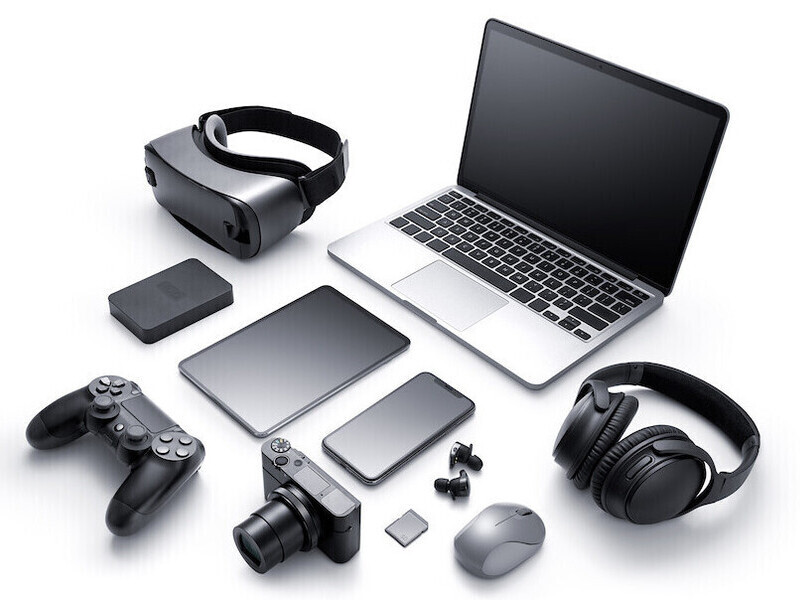
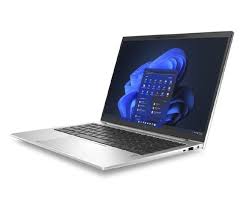
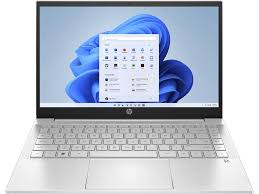
- Display: Flat-panel LCD or OLED screens (typically ranging from 13 to 17 inches) housed inside the upper lid.
- Input Devices: An alphanumeric keyboard and a trackpad (pointing device) situated on the lower lid.
- Chassis & Ports: The base holds internal hardware like the motherboard and battery. It features peripheral ports (USB-C, USB-A, HDMI, and audio jacks).
- Webcam & Audio: Built-in microphones, speakers, and webcams, usually positioned at the top bezel of the screen.
Core Technical Specifications
Understanding a laptop’s performance requires checking its
- CPU (Processor): The “brain” of the computer (e.g., Intel Core, AMD Ryzen, Qualcomm Snapdragon) that handles general speed and task execution. [1, 2, 3]
- RAM: The short-term memory that dictates how many applications or browser tabs you can run simultaneously without lagging (e.g., 8GB, 16GB, 32GB). [1, 2, 3, 4]
- Storage: Where your files and operating system are saved. Fast SSDs are standard in modern devices over older mechanical HDDs (e.g., 256GB, 512GB, 1TB). [1, 2]
- GPU (Graphics): Renders images and video. Can be Integrated (built into the CPU for basic tasks) or Dedicated (separate hardware for heavy gaming and 3D rendering)







Reviews
There are no reviews yet.